NYC Repipe & Repair handles repiping Bronx houses, walk-ups and prewar elevator buildings, from a single leaking branch line to full risers. The apartment stock is old: city property records show 72% of Bronx residential buildings with five or more units were built before 1940, and many still carry galvanized risers. The borough's one- to four-family houses, from Riverdale to Throggs Neck and Pelham Bay, have a median build year of 1940. Every job is copper, filed in DOB NOW by a NYC Licensed Master Plumber and priced in writing before work is booked.
What repiping in The Bronx actually involves
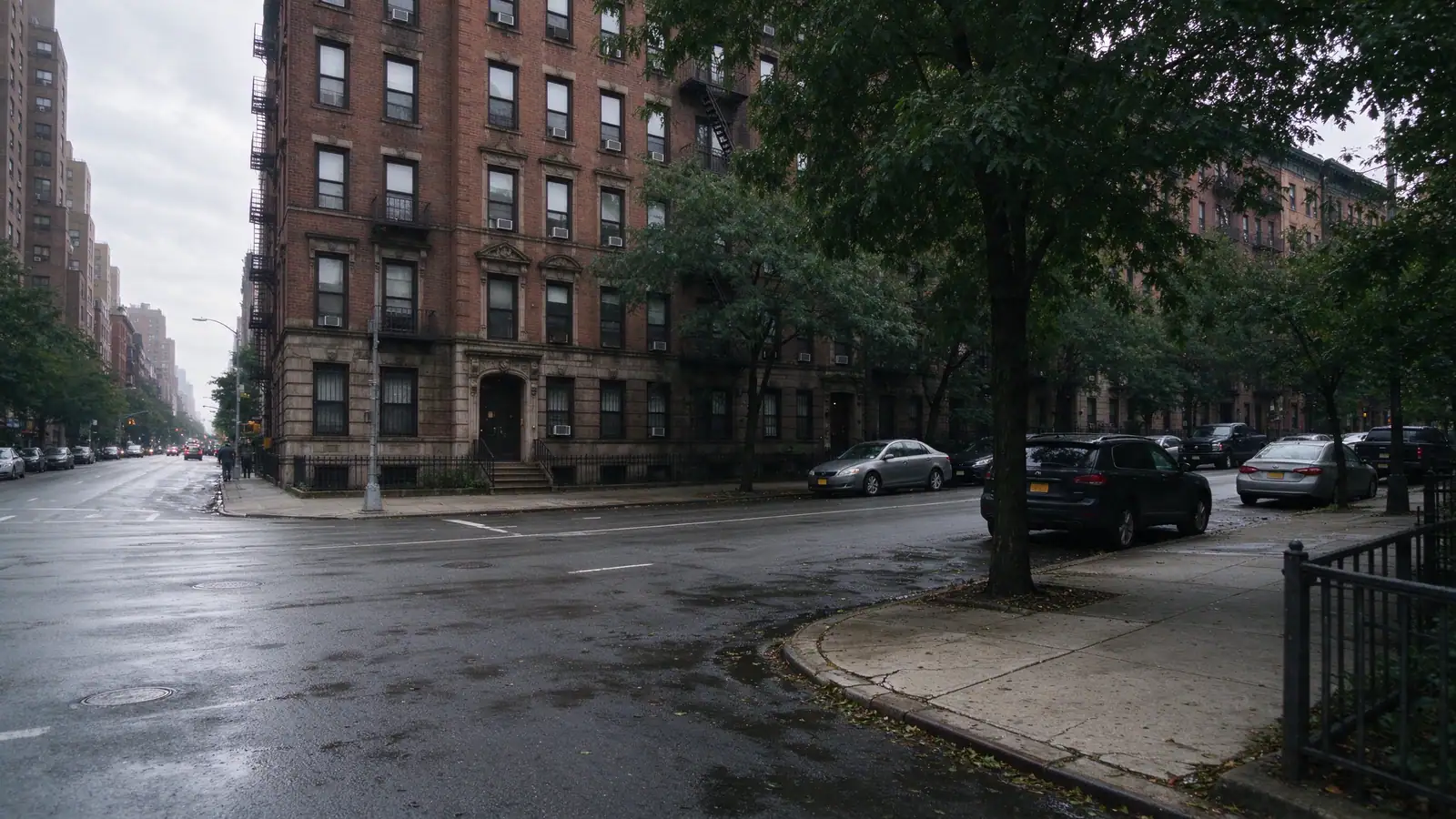
The Bronx is an apartment borough first. City property records count 9,818 residential lots with five or more units, and 7,024 of them (72%) were built before 1940. The best-known run is the Grand Concourse, where almost 300 apartment buildings, most five or six stories with wide entrance courts, had gone up by the mid-1930s (Wikipedia: Grand Concourse)). The stretch from 153rd to 167th Streets is a city historic district, so permitted interior plumbing there generally needs a Landmarks Preservation Commission Certificate of No Effect. Five and six stories is right at the limit of what street pressure lifts, which is why top-floor tenants on corroded galvanized risers get the weakest showers. DOB NOW shows 189 Bronx water-repipe filings and 130 riser filings since January 2023, with the Allerton area the busiest Bronx neighborhood on the list. In these buildings the fix is usually riser replacement, run line by line so tenants keep water each evening.
The Bronx is also where DEP's free service-line program began. Using federal infrastructure money, DEP replaces lead or galvanized service lines with copper at no cost to eligible owners. It has finished Mount Eden, Fordham Heights, University Heights, Kingsbridge Heights, Belmont and Mount Hope, and is working in Melrose, Mott Haven, Concourse Village, Eastchester, Edenwald, Baychester, Williamsbridge, Norwood, Bedford Park, Pelham Gardens, Wakefield and Allerton, with Soundview scheduled next (Governor's announcement). More than 900 Bronx and Queens owners have had a line replaced so far. Eligibility runs by DEP postcard or flyer, so check DEP's program page and the free lead pipe answer before paying privately. The program stops at the service line. If the house or building behind it is still on galvanized, the interior supply is a separate galvanized pipe replacement, and it's worth scheduling both in the same season.
The house side of the borough is smaller: 65,906 one- to four-family lots, with a median build year of 1940. Riverdale mixes prewar detached houses with co-op towers from the 1920s to the 1960s, so one block can mean a whole house repiping and the next an apartment branch line under a board's alteration agreement. The one- and two-families of Throggs Neck, Pelham Bay, Morris Park and Country Club were largely plumbed in the galvanized era, which ran to about 1960. Lead service lines were legal in NYC until 1961, so a house from that period can have both problems at once. Permits differ by building size. A one- to three-family house files its LAA at $130 up to $5,000 of work, plus $2.60 per $1,000. A walk-up pays $195 up to $3,000, plus $10.30 per $1,000, and unpermitted work in a building of three or more families draws penalties starting at $6,000.
What goes wrong in The Bronx buildings
Galvanized risers in a prewar walk-up. Brown water and weak pressure on the top floors of a five- or six-story building, and a stained ceiling every time a joint lets go between floors.
A lead or galvanized service line. DEP's free replacement program started in the Bronx, but only owners who get a DEP postcard or flyer qualify. Everyone else pays for their own line.
A 1940s house on its original pipe. Galvanized supply typically lasts 40 to 60 years. A house built around 1940 that has never been repiped is well past that, and it shows as rust, low pressure and thread leaks.
A leak into the tenant's ceiling. In a two-family or a small apartment building, one failed joint upstairs becomes a tenant's damaged ceiling and an owner's emergency call.