Skip to content

Hot Water Recirculation Installation in NYC

For houses where the water heater is in the cellar and the bathroom you use most is three or four floors up.

By NYC Repipe & Repair · Last reviewed

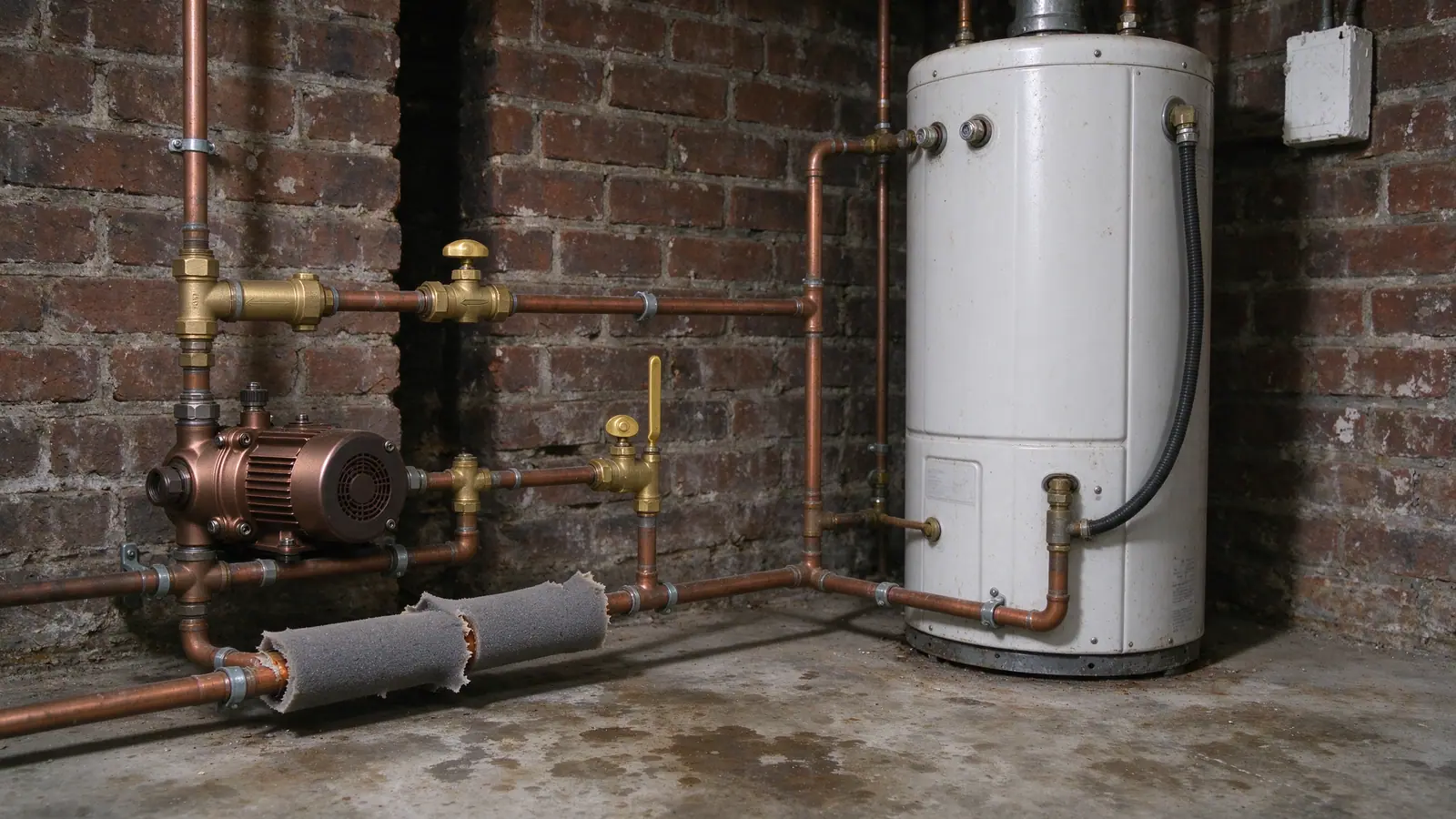
A small recirculation pump and copper return line beside a cellar water heater
A small recirculation pump and copper return line beside a cellar water heater. Illustrative.

NYC Repipe & Repair handles hot water recirculation installation in New York City houses, adding a copper return loop and a small pump so hot water reaches distant fixtures without a long wait at the tap. It suits the house where the water heater is in the cellar and the main bathroom is three or four floors up. The cheapest time to add the return line is during a repipe, when the risers are already open, and the 2022 NYC Plumbing Code sets how the loop is controlled.

What happens on the first visit

  1. The hot water run measured from the heater to the farthest fixtures.
  2. Flow and pressure checked, so a slow tap isn't confused with a rusted pipe.
  3. A route found for the return line beside the existing hot riser.
  4. A written price for a dedicated return or a demand system, before booking.

Why top floors wait for hot water

In most NYC houses the water heater is in the cellar, and in a brownstone the main bathroom can be three or four floors above it. The hot pipe between them holds water that cools between uses, and it has to run out of the tap before hot water arrives. On a four-story run that wait is noticeable every morning, and the water goes down the drain.

PC 607.2 of the 2022 NYC Plumbing Code limits hot water piping from the source to a fixture to 20 feet of developed length, or the length the energy code allows, and counts recirculating piping as a source. A return loop keeps a far bathroom close to “the source” in code terms. If the slow tap also has weak flow, that’s low water pressure, usually rusted galvanized, and a loop won’t fix it.

How the loop is added

A recirculation system adds a Type L copper return line beside the hot riser, back to the water heater, and a small pump that keeps hot water moving. Valves and fittings are lead-free to NSF 372. The code sets the controls:

  • Residential systems follow the NYC Energy Conservation Code (PC 607.2.1).
  • Demand systems that pump hot water back through the cold line, the usual retrofit with no return pipe, must start only when a fixture is used or hot water flow is sensed, and must limit water entering the cold pipe to 104°F (PC 607.2.1.2).
  • With a thermostatic mixing valve, the return is routed to the heater’s cold inlet and the valve’s cold or return connection (PC 607.2.2).

Why it fits a repipe

The cheapest time to add a dedicated return is during whole house repiping, when the risers are open and copper is going in anyway: one more line in the same chases, not new openings. Without a repipe, a demand system on the cold line avoids opening walls, at the cost of some warm water in the cold line.

The wait is longest in older houses in Park Slope and across Brooklyn. See how long repiping takes, repiping cost in NYC, the cost estimator and Type L vs Type K copper.

What's included

  • Type L copper return line (ASTM B88)
  • Recirculation pump with code-required controls
  • Check and isolation valves at the pump
  • Lead-free valves and fittings to NSF 372
  • Connection at the water heater or mixing valve
  • Pipe insulation where the energy code requires it
  • Filing by a NYC Licensed Master Plumber where required
  • Pressure test and a timed hot-water check at the top floor
Waiting at the top-floor shower for hot water? Measuring the run from the heater shows whether a return loop will fix it. (929) 659-6658
The permit trail

What a legal NYC repipe leaves on the record

Every permitted repipe produces the same paper trail at the Department of Buildings. It's what a buyer's attorney, a co-op board or a lender will look for later.

  1. DOB NOW: Build Filed

    Limited Alteration Application

    Filed by the Licensed Master Plumber, with the scope and the job cost.

  2. DOB Issued

    Work permit

    Issued in real time for most repipes, and posted at the job.

  3. On site Installed

    Type L copper in

    Run alongside the old pipe and switched over section by section.

  4. Plumbing Code §108 Tested

    Pressure test

    The whole new system holds under test before walls close.

  5. DOB Signed off

    Inspection and sign-off

    The job closes cleanly on the building's DOB record.

Three ways it gets done

Patch, cheap repipe, or permitted copper

Three ways NYC pipe work gets done. Only one survives a co-op board, a refinance and the next winter.

What matters DIY patchCheap operatorPermitted copper job
Pipe material Whatever the hardware store sells, often PEXPEX or thin Type M copper to save moneyType L copper, listed in NYC Plumbing Code Table 605.4
Fittings Push-fit connectors (prohibited, PC 605.9)Mixed: some push-fit, some solderSoldered or permanent press joints; dielectric unions at steel
Who may legally do it Not the owner: NYC requires a Licensed Master PlumberOften unlicensed, or a licence borrowed for the filingA NYC Licensed Master Plumber, or a crew under one
Permit NoneOften skipped (penalties start at $520, or $6,000 in 3+ family buildings)Filed in DOB NOW and signed off
Pressure test NoneRarelyWhole system tested before walls close
Co-op or condo board Will not approveUsually rejected at the insurance-certificate stageMeets typical alteration-agreement requirements
At sale or refinance Unpermitted work can surface in inspectionOpen DOB issues can delay closingA clean DOB record for the job

Sources: 2022 NYC Plumbing Code, Chapter 6; NYC DOB LAA fee and penalty charts (1–3 family, other buildings).

From the field

What hot water recirculation installation looks like in an NYC house

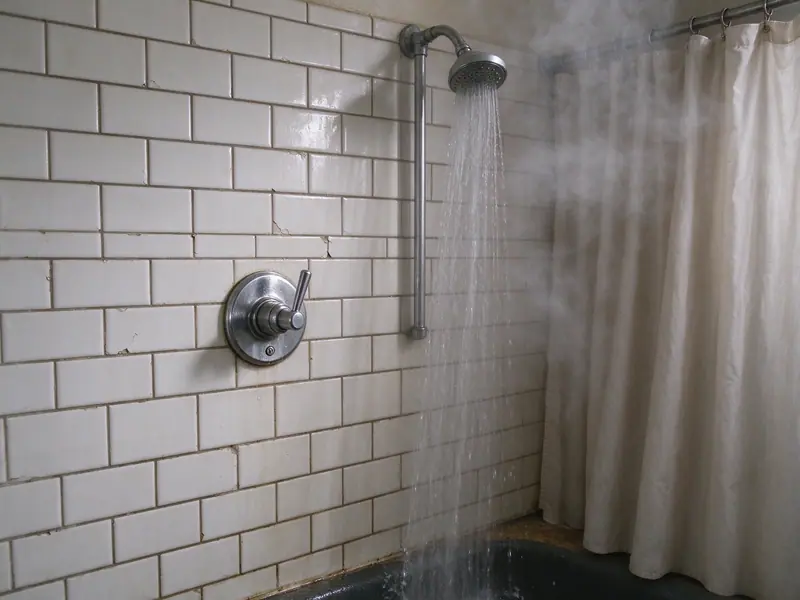
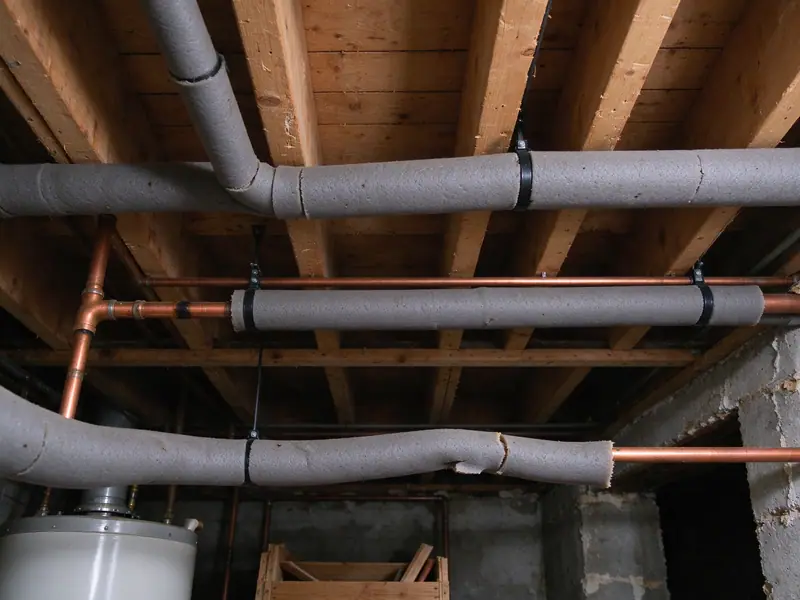
Illustrative photographs of typical conditions and the copper that replaces them.

Hot water and steam from a shower head over white subway tile in a prewar apartment bathroomNew copper hot water piping wrapped in grey foam insulation sleeves running along basement joists

Answered

Hot Water Recirculation Installation, answered

Does NYC code require hot water recirculation?

Not in every house. PC 607.2 limits hot water piping from the source to a fixture to 20 feet of developed length, or the energy code's limit. Recirculating piping counts as a source, so on a long run to a top-floor bathroom, a return loop is one way to comply.

Can recirculation be added without a return line?

Yes, as a demand system that pumps hot water back through the cold line. The pump may start only when a fixture is used or hot water flow is sensed, and water entering the cold pipe is limited to 104°F (PC 607.2.1.2). A dedicated return avoids that tradeoff.

Does a recirculation pump waste energy?

The code is written to limit that. Residential systems follow the NYC Energy Conservation Code, demand systems run only when hot water is called for, and pumps between a heater and storage tank must stop within 5 minutes after the heating cycle (PC 607.2.1.1). Insulating the loop cuts heat loss.

Is a return loop part of the repipe price?

It's a separate line item on the same written estimate. During a repipe, the return shares the new hot riser's chases and openings, so it adds pipe and a pump rather than new wall openings. As a retrofit in a finished house, a demand system usually avoids opening walls.

Who actually does the plumbing work?

In New York City, permitted plumbing work must be performed by a NYC Licensed Master Plumber or by workers under an LMP's direct supervision, and the LMP files the permit in DOB NOW. Ask any contractor for the LMP's licence number before work starts, and check it on the DOB's public licence search.

Get your hot water recirculation installation priced in writing

Pressure measured, pipe identified, an itemized price including the DOB permit.

The job · step 1 of 2
☎ (929) 659-6658 Free estimate